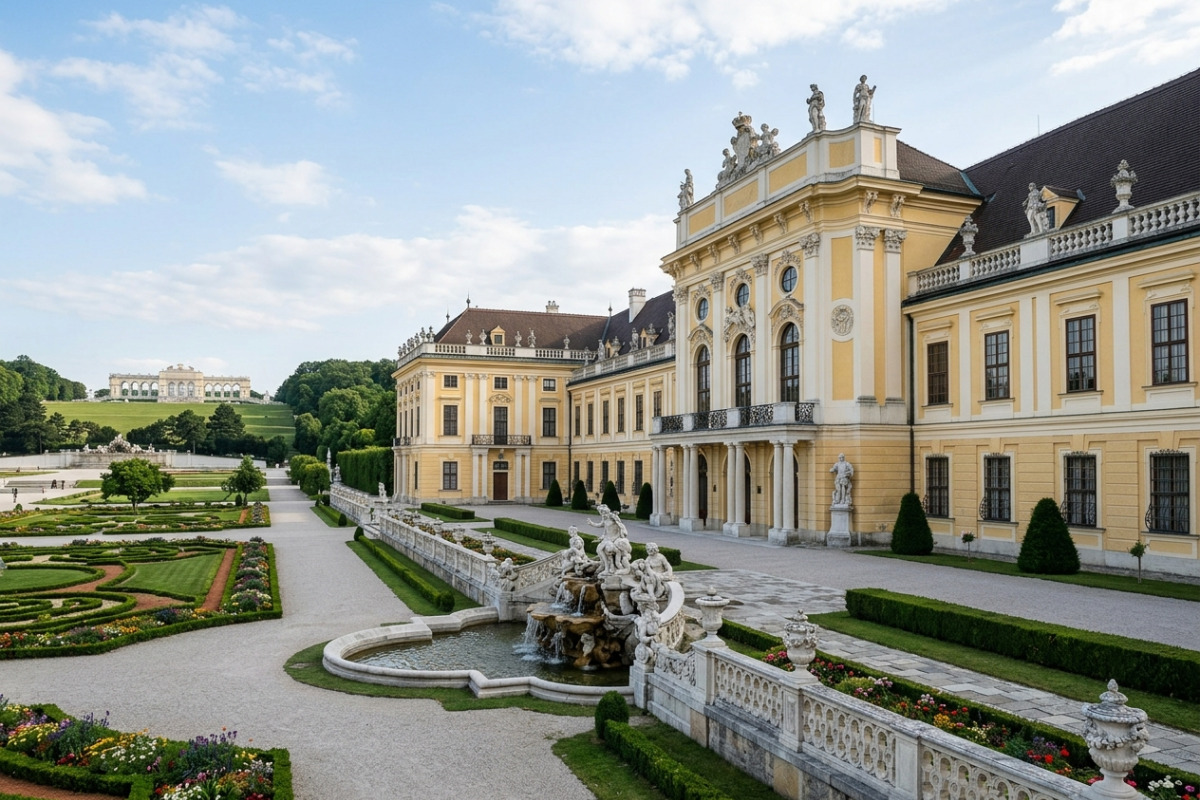
Vienna is renowned for its stunning palaces, each a masterpiece of architectural brilliance. However, beyond their grand facades lies a treasure trove of secrets that reveal the ingenuity and creativity of their designers. In this article, we will delve into the architectural secrets of Vienna's royal residences, uncovering what makes each palace unique and the stories they tell.
Understanding the Architectural Styles
Vienna's palaces are not just structures; they are a reflection of the city's rich history and the various architectural styles that have evolved over centuries. From the Baroque elegance of Belvedere Palace to the neoclassical grandeur of Hofburg Palace, each building tells a different story through its design elements. The diversity in styles represents the cultural influences that shaped Vienna, making it a canvas of architectural innovation.
For instance, the use of intricate stucco work and gilded decorations in Baroque architecture often aims to astonish viewers, creating a sense of grandeur and opulence. In contrast, the clean lines and symmetry of neoclassical architecture reflect ideals of order and rationality. This juxtaposition of styles provides a fascinating insight into the historical context and the aspirations of the Habsburg dynasty.
The Role of Landscape in Palace Design
Another intriguing aspect of Vienna's royal residences is how their landscapes have been meticulously designed to complement their architecture. The gardens of Schönbrunn Palace, for example, are not merely ornamental; they are an extension of the palace’s architectural narrative. The layout, with its geometric patterns and carefully placed sculptures, creates a dialogue between nature and architecture.
These gardens have served various purposes throughout history, from hosting royal gatherings to providing a serene escape for the imperial family. The thoughtful integration of flora and structure also demonstrates the Enlightenment's influence, emphasizing harmony between nature and human creation. As you stroll through these gardens, you can appreciate how they enhance the overall aesthetic experience of the palaces.
Innovative Construction Techniques
Behind the beauty of these palaces lies a story of innovative construction techniques that were revolutionary for their time. For example, the use of light and space in the design of Albertina Palace showcases how architects manipulated natural light to create inviting interiors. High ceilings, large windows, and carefully positioned openings allow sunlight to flood in, enhancing the sense of grandeur while also providing practical benefits.
Vienna's palaces also utilized advanced engineering methods, such as the use of vaulted ceilings and load-bearing walls, which allowed for more expansive and open spaces. These techniques not only improved aesthetics but also increased the structural integrity of the buildings, ensuring their longevity for future generations to admire.
The Cultural Significance of Palatial Design
The architectural secrets of Vienna's palaces extend beyond mere aesthetics; they encapsulate the cultural values and historical narratives of the era. Each palace is a symbol of power, prestige, and the artistic ambitions of the Habsburgs. The choice of materials, the intricacy of designs, and even the colors used in decoration all convey messages about the empire's identity and aspirations.
Moreover, these palaces served as venues for cultural exchange, hosting renowned artists, musicians, and intellectuals. The design of the spaces within them facilitated interactions that fostered creativity and innovation, leaving a lasting impact on Vienna’s cultural landscape. Understanding these elements provides a deeper appreciation for the palaces as living entities that reflect the dynamic history of the city.
Conclusion: Exploring Vienna's Architectural Heritage
Vienna’s royal residences are more than just beautiful buildings; they are repositories of history, culture, and architectural innovation. By uncovering the secrets behind their design, we gain insights into the past and the vision of those who built them. Whether you are a history enthusiast, an architecture lover, or simply a curious traveler, exploring these palaces offers a unique perspective on Vienna's rich heritage. To plan your visit, check out our ticket options and immerse yourself in the architectural wonders that await.