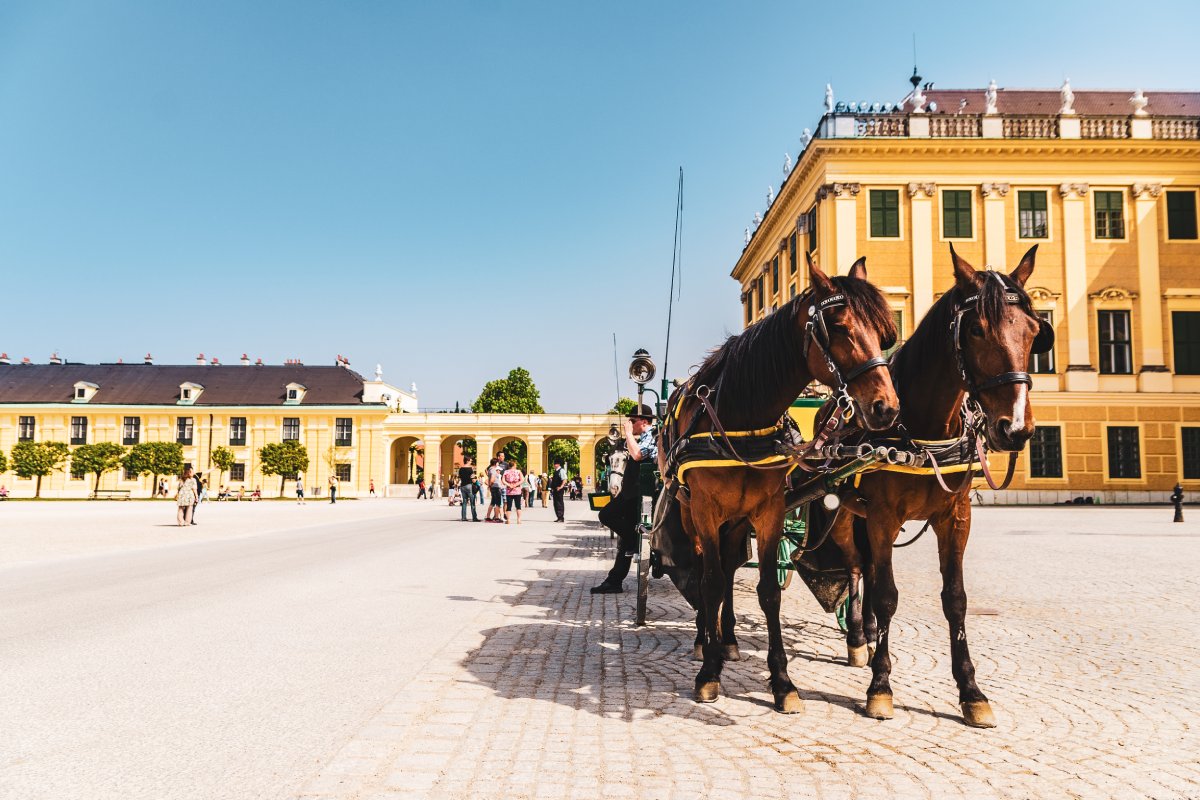
Stepping into Vienna feels like walking onto the set of a grand historical drama, where every corner whispers tales of the Habsburg dynasty. The city’s imperial heritage is best experienced through its magnificent royal palaces, which serve as the crown jewels of Austrian culture. However, without proper planning, a dream visit to these architectural marvels can quickly turn into a logistical challenge filled with long queues and missed opportunities. Whether you are an art aficionado, a history buff, or simply a traveler looking to soak in the grandeur of the past, understanding the nuances of visiting these sites is crucial. This guide is designed to help you navigate the ticket options, optimize your schedule, and ensure you witness the splendor of Vienna’s royal residences without the stress.
Mastering the Grandeur of Schönbrunn Palace
As the former summer residence of the Habsburgs, Schönbrunn Palace is arguably the most popular tourist attraction in Austria, and for good reason. The sheer scale of the estate, with its 1,441 rooms and expansive gardens, can be overwhelming for first-time visitors. To truly appreciate the Rococo architecture and the history of Maria Theresa or Emperor Franz Joseph, you need to approach your visit strategically. The palace is located a bit outside the city center, so factoring in travel time via the underground U-Bahn system is the first step in your planning process.
Choosing the Right Tour Route
Schönbrunn offers several tour options, and selecting the right one depends entirely on how much time you wish to dedicate to the interiors. Most visitors choose between the Imperial Tour and the Grand Tour. The Imperial Tour is shorter and focuses on the private apartments of Franz Joseph and Elisabeth, giving you a concise yet fascinating glimpse into their daily lives. On the other hand, the Grand Tour includes the magnificent 18th-century state rooms from the time of Maria Theresa. If you have the time, the Grand Tour is highly recommended as it grants access to the spectacular Millions Room, renowned for its rare rosewood paneling.
- Book Online in Advance: This cannot be overstated. Ticket lines on-site can last for hours. Purchasing your time-slot ticket online ensures you walk straight to the entrance at your designated time.
- Arrive Early: The palace gates usually open early in the morning. Being part of the first group of the day allows you to experience the Great Gallery without the noise of large tour groups.
- Audio Guides: These are typically included with your admission. Be sure to pick one up, as the signage in the rooms is minimal, and the narration provides essential context.
Exploring the Gardens and The Gloriette
While the palace interior requires a paid ticket, the vast majority of the palace park is open to the public free of charge. You could easily spend half a day just wandering through the meticulously manicured French gardens, the Privy Garden, and the Orangery. A highlight for anyone with moderate fitness is the walk up the hill to the Gloriette. This structure offers a panoramic view of the palace with the city of Vienna stretching out behind it. If you are visiting during the colder months, the gardens take on a serene, frosty beauty, though the fountains generally operate from spring to autumn.
Planning Tip: Schönbrunn Palace often hosts special events, such as concerts in the Orangery or Christmas markets in the palace courtyard. Check the official Schönbrunn Palace website for the most up-to-date schedule during your visit.
Navigating the Hofburg Imperial Palace
Located in the very heart of Vienna, the Hofburg is a sprawling complex that served as the winter residence and the political center of the empire for centuries. Unlike Schönbrunn, which stands in isolation surrounded by parks, the Hofburg is woven into the urban fabric of the city. The complex is massive, housing not just the Imperial Apartments but also the Spanish Riding School, the National Library, and several museums. Because of its central location, it is easy to visit spontaneously, but understanding the layout is key to seeing what matters most to you.
The Sisi Museum and Imperial Apartments
For many visitors, the primary draw of the Hofburg is the Sisi Museum. Dedicated to the enigmatic Empress Elisabeth, this museum offers a poignant look at her tragic life, moving beyond the romanticized myths. The route naturally flows from the museum into the Imperial Apartments, which are furnished authentically to reflect the era of Emperor Franz Joseph. You will walk through conference rooms, dining halls, and private bedrooms that feel as though the monarchs just left the room.
Another component often included in the standard Hofburg ticket is the Imperial Silver Collection. While it might sound like a niche interest, the sheer volume and craftsmanship of the dining services, centerpieces, and kitchenware are staggering. It provides a unique perspective on the logistical magnitude of running an imperial court. Plan to spend at least 45 minutes here before moving upstairs to the apartments.
Don't Miss: The Spanish Riding School within the Hofburg offers captivating performances featuring Lipizzaner stallions. Performances and training sessions are popular, so booking tickets well in advance is essential. Check their official website for schedules and availability.
Art and Baroque Splendor at Belvedere Palace
The Belvedere differs from the other two palaces as it was built for Prince Eugene of Savoy, a brilliant military commander, rather than the Emperor himself. Today, it is as famous for its art collection as it is for its architecture. The complex consists of two distinct palaces: the Upper Belvedere and the Lower Belvedere, connected by a stunning sloping garden. If you are pressed for time, you must prioritize based on your interests: art or historical living quarters.
Upper Belvedere: The Home of Klimt
The Upper Belvedere is a must-visit for art lovers. It houses the world's largest collection of Gustav Klimt paintings, including the iconic "The Kiss." Seeing this masterpiece in person, with its shimmering gold leaf, is a transcendent experience that photographs cannot capture. Beyond Klimt, the gallery features an impressive array of Austrian art from the Middle Ages to the present day. Because this is an art gallery housed in a palace, the rooms themselves—particularly the Marble Hall—are spectacular works of art.
Lower Belvedere and the Orangerie
The Lower Belvedere served as the residence of Prince Eugene and offers a more intimate look at Baroque living. It hosts temporary exhibitions that change throughout the year, often focusing on specific eras of Austrian art or history. If you plan to visit both the Upper and Lower palaces, look for a combined ticket option. However, be aware that there is a considerable walk between the two buildings, which can be tiring if you have already spent hours on your feet.
Insider Tip: The Belvedere gardens are beautifully illuminated during the summer months, often hosting open-air film screenings and events. Check local listings or the Belvedere's website for details.
Practical Logistics for a Seamless Experience
Visiting three major palaces can be exhausting, both physically and financially. To ensure your trip remains enjoyable, you need to manage your logistics carefully. Vienna is a city that rewards those who plan ahead, especially regarding entry times and transportation.
| Feature | Schönbrunn Palace | The Hofburg | Belvedere Palace |
| Primary Focus | Imperial History & Gardens | Sisi Museum & Silver Collection | Art (Klimt) & Baroque Architecture |
| Location | Outer District (Requires Metro) | City Center (1st District) | Landstraße (Short Tram/Walk) |
| Time Needed | 3 - 5 Hours | 2 - 3 Hours | 2 - 3 Hours |
| Booking Advice | Essential to book specific time slots | Recommended, but lines move faster | Required for Upper Belvedere |
Essential Tips for Ticket Purchases and Timing
One of the most common mistakes travelers make is assuming they can buy tickets at the door without delay. While this might be possible in the low season, it is a risky gamble. Official websites are always the safest place to purchase tickets to avoid third-party markups. Furthermore, keep an eye on opening hours, as they can shift slightly depending on the season. Most palaces open around 9:00 AM or 10:00 AM and close between 5:00 PM and 6:00 PM, with last admission typically one hour before closing.
- Photography Rules: Be aware that photography is strictly prohibited inside the main tour rooms of Schönbrunn and the Hofburg Imperial Apartments to preserve the artifacts and facilitate traffic flow. Belvedere generally allows photography in the galleries, but without flash.
- Coat Check: Large backpacks and umbrellas are not permitted inside the museum areas. All palaces offer cloakroom facilities or lockers; have some coins ready for lockers just in case, though many are now digital.
- Combined Passes: If you plan to visit all three, investigate city passes or specific "Sisi Tickets" that bundle these attractions. These often provide fast-track entry and can offer significant savings compared to buying individual single-entry tickets.
Vienna’s royal palaces are more than just buildings; they are the custodians of a rich, complex history that shaped Europe. By securing your tickets in advance, respecting the local customs, and planning your route through the sprawling complexes, you transform a simple sightseeing trip into an unforgettable journey through time. Whether you are marveling at the glint of Klimt’s gold or walking the same halls as Empress Elisabeth, these tips ensure your focus remains on the beauty surrounding you.