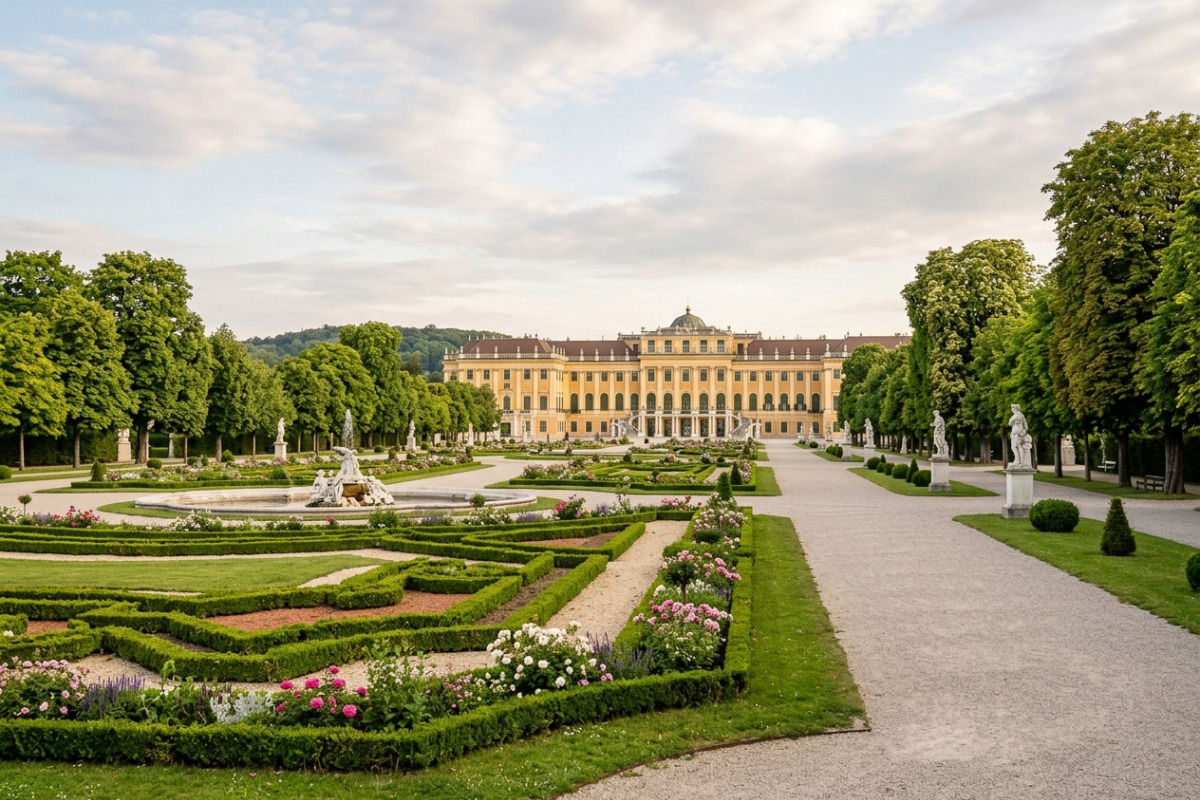
The gardens of Vienna’s palaces are not just beautiful landscapes; they are historical narratives etched in greenery. Each garden tells a story of the era it represents, reflecting the cultural and aesthetic values of its time. As you wander through these lush oases, you will uncover a blend of artistry, nature, and history that has evolved over centuries.
The Origins of Vienna’s Palace Gardens
The inception of palace gardens in Vienna can be traced back to the Renaissance period, when noble families began to design elaborate gardens that mirrored their wealth and status. These early gardens were characterized by geometric shapes, manicured hedges, and ornamental fountains, signifying the power and taste of their owners. The gardens of Schönbrunn Palace, for instance, exemplify this trend with their intricate layouts and attention to detail.
As time progressed into the Baroque period, the gardens transformed dramatically. The focus shifted from mere aesthetics to the incorporation of symbolism and allegory. Gardens began to serve as venues for leisure and entertainment, featuring statues, pavilions, and elaborate pathways that encouraged social gatherings. This shift marked a significant evolution in the design philosophy of palace gardens, establishing them as integral parts of the overall architectural experience.
The Influence of the Habsburg Dynasty
The Habsburgs, as one of the most influential royal families in European history, played a crucial role in shaping the landscape of Vienna’s palace gardens. Under their reign, gardens not only flourished but also became expressions of imperial power. The magnificent grounds of the Hofburg Palace are a testament to this influence, featuring expansive lawns and carefully curated flowerbeds that reflect the grandeur of the empire.
Moreover, the Habsburgs were instrumental in introducing exotic plants and innovative gardening techniques from their conquests, further enhancing the diversity of these gardens. As a result, visitors today can see a rich tapestry of flora that showcases not just local species but also rare varieties from around the world, highlighting Vienna’s historical connections and cultural exchanges.
The Artistic Integration of Nature and Architecture
One of the most captivating aspects of Vienna’s palace gardens is their seamless integration with the architecture of the palaces themselves. Each garden has been meticulously designed to complement the style of its corresponding palace, creating a harmonious visual experience. For example, the gardens at Belvedere Palace are designed in a way that enhances the Baroque architecture, with tiered levels that create a dynamic interplay of sightlines.
This intentional design not only serves aesthetic purposes but also reflects the philosophical ideals of the time, where nature and architecture were seen as interconnected. The use of water features, such as ponds and fountains, further symbolizes the fluidity between the built environment and the natural world, inviting visitors to pause and reflect.
Modern-Day Preservation and Appreciation
Today, the gardens of Vienna’s palaces are not just remnants of the past; they are vibrant spaces that continue to attract locals and tourists alike. Preservation efforts have ensured that these historical gardens maintain their integrity while adapting to contemporary needs. Programs that promote biodiversity conservation and sustainable practices are now integral to the management of these landscapes.
Visitors can experience guided tours that delve into the history of these gardens, offering insights into their design, significance, and the ongoing efforts to preserve them. Additionally, cultural events and exhibitions held in the gardens allow for a deeper appreciation of their artistic and historical value.
Conclusion: A Journey Through Time
Exploring the palace gardens of Vienna offers a unique opportunity to connect with the city’s rich history and architectural heritage. As you stroll through these green spaces, take a moment to consider the stories they tell and the generations that have walked their paths. Whether you are visiting the iconic Albertina Palace or simply enjoying a leisurely afternoon in one of the gardens, each visit is a journey through time, celebrating the artistry and vision that shaped Vienna’s landscape.