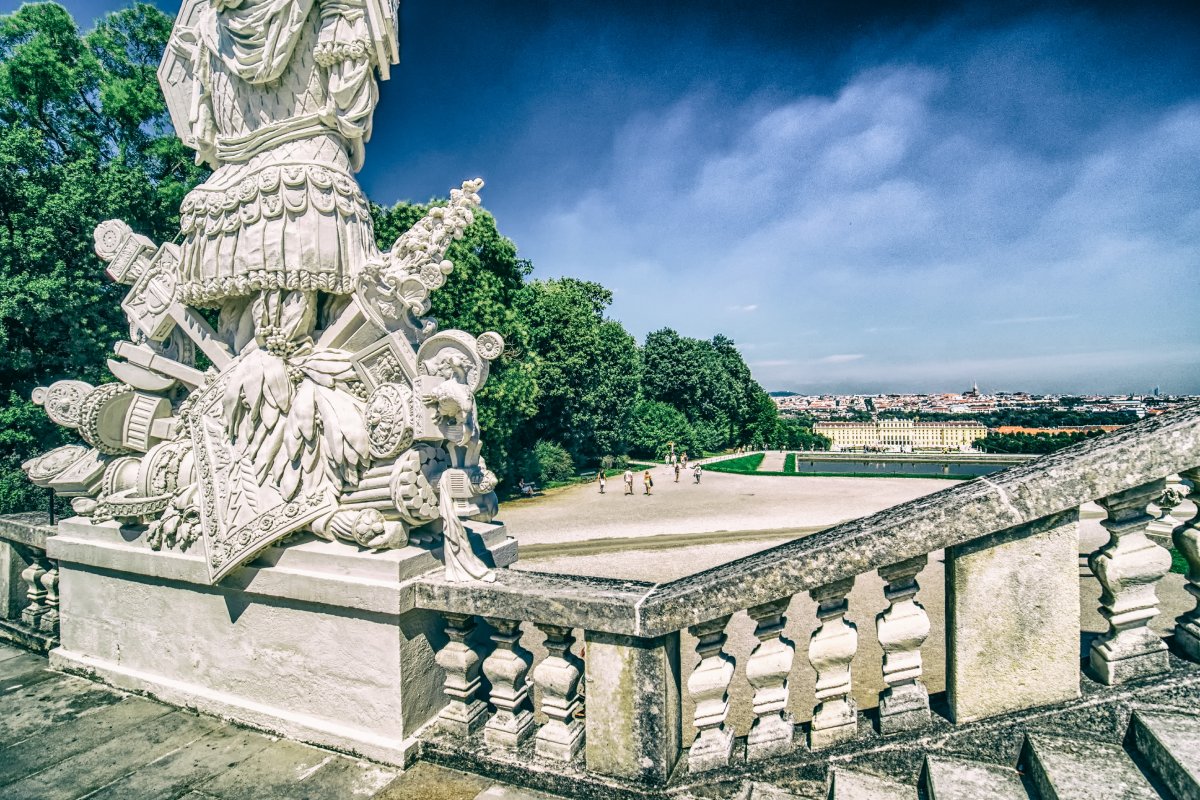
Vienna is a city that effortlessly commands attention with its imperial grandeur, sweeping boulevards, and architectural masterpieces that echo centuries of history. However, for the discerning traveler in January 2026, the true allure of the Austrian capital often lies not in the crowded squares of the First District, but in the hushed whispers of its secluded green spaces. While millions flock to the manicured lawns of Schönbrunn or the vast expanse of the Prater, there exists a parallel world of secret gardens where time seems to slow down. These hidden gems offer a sanctuary for introspection, reading, or simply escaping the urban hum without ever leaving the city limits.
Finding these pockets of tranquility requires a willingness to stray off the beaten path and explore the residential districts where locals cherish their quiet moments. Whether you are seeking the precise aesthetics of Far Eastern landscaping or the wilder, unkempt beauty of a historic villa’s backyard, Vienna’s secret gardens provide a refreshing counterpoint to the city’s museum-heavy itinerary. Let us take a walk through the verdant veils of Vienna and discover the places where silence is the most treasured amenity.
The Japanese Sanctuary: Setagaya Park
Tucked away in the affluent 19th district of Döbling, Setagaya Park is perhaps the most surprising find for anyone expecting traditional Austrian landscaping. Designed by Japanese landscape architect Ken Nakajima, this garden was a gift symbolizing the friendship between Döbling and the Setagaya ward in Tokyo. As you step through the bamboo gate, the noise of the city instantly fades, replaced by the gentle sound of trickling water and the rustling of maple leaves. It is a masterclass in utilizing space to create a microcosm of nature that feels significantly larger than its physical footprint suggests.
The park is meticulously planned to reflect the changing seasons, offering a different emotional palette depending on when you visit. In spring, the cherry blossoms create a canopy of soft pinks, while the autumn brings a fiery display of reds and oranges that rival any forest. Even in the cooler months, the structural elegance of the stone lanterns, the teahouse, and the carefully pruned pines offer a visual meditation. It is not a place for jogging or loud picnics; rather, it is a space designed for slow walking and quiet contemplation. Locals often use this space for mindful walks and tea ceremonies, further enhancing its tranquil atmosphere.
- Key Feature: The traditional tea house and stone waterfall.
- Best For: Meditation, photography, and escaping the European aesthetic for a moment.
- Local Tip: Visit early in the morning on weekdays to have the garden almost entirely to yourself.
Baroque Silence: The Liechtenstein Garden Park
While the Belvedere and Schönbrunn represent the pinnacle of imperial pomp, the Liechtenstein Garden Park in the 9th district offers a more intimate, yet equally majestic, Baroque experience. For years, this garden was accessible only to a privileged few, but it has since been opened to the public, revealing a stunningly manicured green space anchored by the Liechtenstein City Palace. What makes this garden unique is its atmosphere of exclusive privacy; high walls shield it from the surrounding streets, creating a sound barrier that preserves the 18th-century ambiance.
The layout follows the classical geometric patterns of the era, with symmetrical flower beds, perfectly trimmed hedges, and wide gravel paths that crunch satisfyingly underfoot. Unlike the major tourist parks, you will rarely find large tour groups here. Instead, you will encounter locals reading on benches, parents pushing strollers in hushed tones, and art lovers admiring the exterior of the palace. It is a refined space that demands respect, making it one of the best spots in the city to sit with a notebook and gather your thoughts amidst historical splendor.
Science Meets Serenity: The Botanical Garden of the University of Vienna
Located just a stone's throw from the Belvedere Palace, the Botanical Garden of the University of Vienna often goes unnoticed by tourists rushing to see Klimt’s 'The Kiss.' This is a fortunate oversight for those who do venture inside, as they are rewarded with a sprawling 8-hectare oasis that blends scientific purpose with aesthetic beauty. Founded in 1754 by Empress Maria Theresa, the garden was originally intended for medicinal plants but has evolved into a diverse collection of flora from around the globe.
The beauty of this garden lies in its variety and its layout, which feels more like a wild, enchanted forest in some sections and a rigorous scientific catalogue in others. You can wander through the bamboo grove, explore the alpine plant section, or admire the towering ancient trees that cast long, cooling shadows. Because it is a research facility, the vibe is academic and respectful; it is a place where people come to learn or to enjoy the calming presence of nature without the distraction of recreational sports or loud music. Students can often be seen sketching rare plants, and families enjoy quiet picnics amongst the greenery, fostering a unique blend of education and relaxation.
Why It Stands Out
The Botanical Garden offers a unique sensory experience compared to regular parks. The air here often smells different—fresher, earthier, and filled with the scent of blooming exotics depending on the season. It serves as a reminder of the diversity of life, housing over 11,500 species of plants. For the traveler weary of concrete and cobblestones, the soft earth paths and the dense greenery provide a literal and metaphorical breath of fresh air.
A Local Favorite: Türkenschanzpark
Moving further out to the 18th district, Währing, we find Türkenschanzpark, a landscape that defies the flat, geometric norms of typical Viennese parks. This park is characterized by its rolling hills, winding paths, and romantic ponds, built on the site of historical entrenchments. It feels less like a city park and more like a curated piece of the countryside dropped into the middle of a residential area. It is heavily frequented by locals, giving it a vibrant, authentic community feel that is absent in the tourist-heavy First District.
The centerpiece of the park is the Paulinenwarte, a brick observation tower that offers sweeping views of the city and the Vienna Woods. The park’s design is influenced by the English landscape garden style, encouraging aimless wandering rather than direct transit. Bridges cross over small streams, and hidden benches are tucked away behind clusters of bushes, offering privacy for couples or solitary readers. It is a place where you can easily lose track of time, watching ducks glide across the water or observing the daily rhythm of Viennese life unfolding around you. On weekends, you'll find families picnicking, children playing frisbee, and groups of friends enjoying the sunshine, making it a true hub of community life.
Comparison of Vienna’s Hidden Green Spaces
To help you choose the perfect escape for your mood, here is a breakdown of these hidden gems based on their distinct characteristics and location.
| Garden Name | District | Primary Vibe | Best Activity |
| Setagaya Park | 19th (Döbling) | Zen, Meditative, Exotic | Quiet reflection and nature photography |
| Liechtenstein Garden | 9th (Alsergrund) | Elegant, Baroque, Private | Reading a book in a historical setting |
| Botanical Garden | 3rd (Landstraße) | Educational, Lush, Diverse | Plant observation and peaceful walking |
| Türkenschanzpark | 18th (Währing) | Romantic, Hilly, Local | Picnicking and exploring winding paths |
The Wild Charm of Pötzleinsdorfer Schlosspark
For those willing to venture to the end of the tram line 41, the Pötzleinsdorfer Schlosspark awaits with a charm that borders on the magical. Unlike the manicured perfection of the city center, this park embraces a slightly wilder aesthetic. As you walk deeper into the park, the manicured lawns give way to dense woods and meadows that feel almost untouched. It is a transition from the urban to the rural that happens within minutes, transporting you to the edge of the Vienna Woods.
Historical statues, originally from the Ringtheater which burned down in the 19th century, are scattered throughout the park, overgrown with ivy and moss. This gives the grounds a mysterious, 'Secret Garden' atmosphere, as if you have stumbled upon the ruins of a forgotten estate. It is the ultimate location for those who find peace in the reclaiming power of nature and the melancholy beauty of history intertwining with the present. The silence here is profound, broken only by bird calls and the wind moving through the tall trees. Locals often bring their dogs for walks here, enjoying the expansive space and the feeling of being far from the city.
A Hidden Gem for Wine Lovers: The Belvedere Palace Gardens Vineyard
While technically part of the larger Belvedere Palace complex, the vineyard nestled within the Belvedere Gardens often goes unnoticed. This small but charming vineyard offers a unique glimpse into Vienna's wine-making history and provides stunning views of the city. While not a 'garden' in the traditional sense, the rows of grapevines offer a tranquil escape and a chance to sample local wines at the nearby Heuriger (wine tavern). It's a perfect spot to combine a bit of history, nature, and Viennese culture, offering a different kind of 'green space' experience.
Practical Tips for Visiting
When planning your visit to these hidden gardens, keep in mind that they operate differently than public thoroughfares. Many of these spaces, particularly the Botanical Garden and Setagaya Park, have strict opening hours that change with the seasons. It is always wise to check the specific closing times before heading out, especially during the shorter days of winter. Furthermore, the 'hidden' nature of these spots relies on a collective agreement of behavior; keeping voices low and phones on silent is the unwritten rule that preserves their tranquility.
Vienna is a city that rewards curiosity. By stepping away from the grand boulevards and entering these green sanctuaries, you connect with the city's living, breathing heart. These gardens are not just places to see, but places to be—to breathe, to pause, and to find a moment of stillness in a fast-moving world.