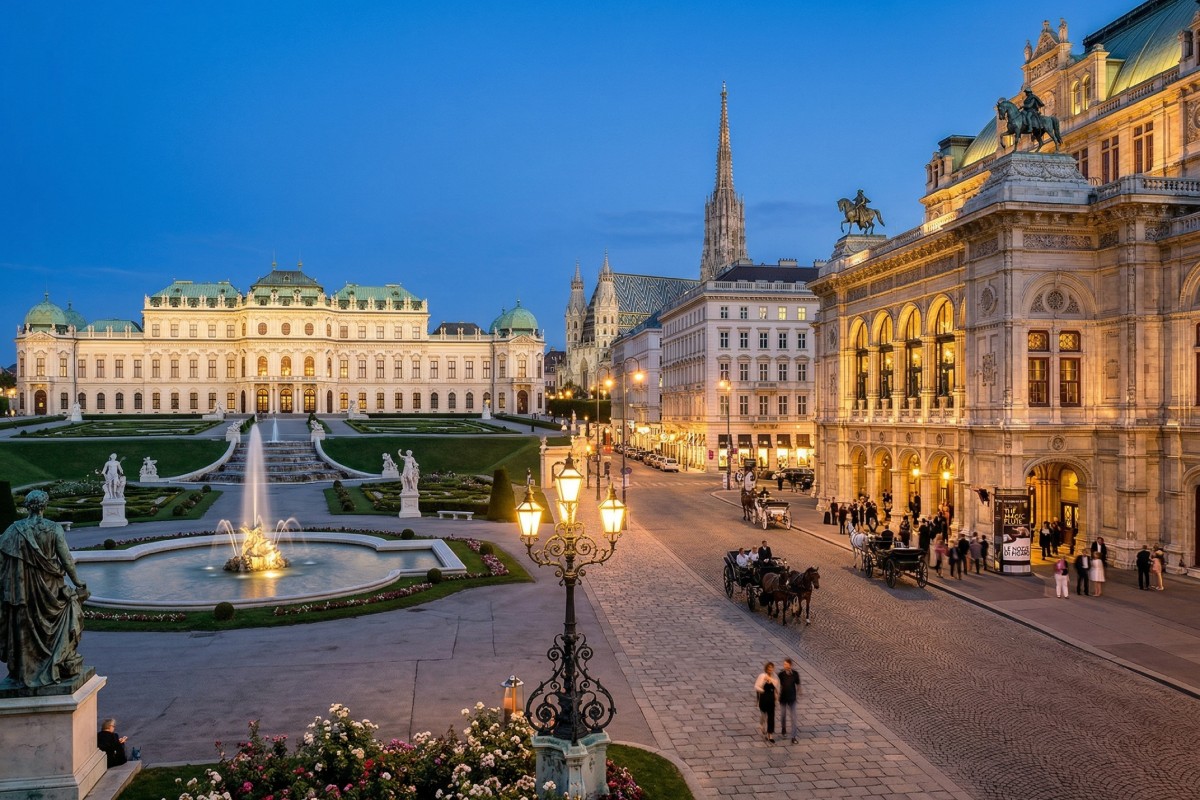
Walking through the streets of Vienna feels like stepping onto a living canvas where the brushstrokes of history, music, and architecture blend seamlessly. As we navigate the city in early 2026, the Austrian capital remains the undisputed heartbeat of European culture, offering an overwhelming array of artistic treasures that can captivate a traveler for weeks. For the true art enthusiast, Vienna is not just a destination; it is a pilgrimage to the birthplace of Secessionism, the home of the waltz, and a sanctuary where the avant-garde comfortably coexists with imperial tradition. Whether you are seeking the golden glimmer of Klimt or the dramatic acoustics of a world-class opera house, the city promises an immersion into beauty that is both profound and accessible.
The sheer volume of museums and performance venues can be daunting for first-time visitors, making a curated approach essential to truly appreciate the city's depth without succumbing to museum fatigue. This guide is designed to help you navigate Vienna’s vibrant art scene, prioritizing quality experiences over a checklist of sights. We will journey through the grand palaces that house Old Masters, dive into the contemporary hubs that challenge the status quo, and take our seats in theaters that have witnessed the premieres of history’s greatest operas. Prepare to immerse yourself in a world where art is not just displayed on walls but is woven into the very fabric of daily life.
The Imperial Classics: Museums You Cannot Miss
No art lover’s guide to Vienna would be complete without paying homage to the heavyweights of the art world, housed within the city’s most magnificent palaces. The Upper Belvedere is arguably the crown jewel of Vienna’s gallery scene, standing as a baroque masterpiece that rivals the art it contains. Here, you will encounter the world’s largest collection of Gustav Klimt paintings, including the mesmerizing The Kiss. Seeing this piece in person, with its shimmering gold leaf and intimate composition, is a transcendent experience that photos simply cannot replicate. Beyond Klimt, the Belvedere offers a sweeping narrative of Austrian art from the Middle Ages to the present day, all set against the backdrop of manicured gardens that look particularly poetic in the crisp January air.
Just a short distance away, the Kunsthistorisches Museum (Art History Museum) awaits, promising a journey through the expansive collections of the Habsburgs. The building itself is a work of art, featuring a grand staircase adorned with frescoes that set a tone of opulent reverence before you even reach the galleries. Inside, the Picture Gallery boasts an unrivaled selection of works by Pieter Bruegel the Elder, alongside masterpieces by Raphael, Vermeer, and Velázquez. It is the kind of museum where you can lose track of time, wandering through halls of marble and gold, deciphering the complex allegories of the Renaissance and the dramatic lighting of the Baroque era.
Contemporary Vibes: The MuseumsQuartier (MQ)
Leaving the imperial past behind, a visit to the MuseumsQuartier (MQ) offers a refreshing plunge into modernism and contemporary creativity. This sprawling complex, formerly the imperial stables, has been transformed into one of the world's largest districts for modern art and culture. The atmosphere here is distinctly different; it is younger, more vibrant, and buzzes with a creative energy that spills out into the courtyards. Even in the cooler months of 2026, the MQ remains a social hub where art discussions continue over hot beverages in the trendy cafes nestled between the museums.
Within the MQ, two institutions demand your attention: the Leopold Museum and MUMOK. The Leopold Museum is a treasure trove of Viennese Art Nouveau and Expressionism, housing the most significant collection of Egon Schiele’s works in the world. Schiele’s raw, often provocative lines provide a stark, emotional contrast to Klimt’s ornamental style, offering a deeper look into the human psyche. Conversely, the MUMOK (Museum of Modern Art Ludwig Foundation) focuses on the art of the 20th and 21st centuries. Its dark basalt stone architecture stands as a bold statement, housing pop art, photorealism, and Fluxus works that challenge conventional definitions of art.
- Leopold Museum: Best for fans of Vienna Secession, Gustav Klimt, and Egon Schiele.
- MUMOK: Ideal for lovers of avant-garde, pop art, and contemporary installations.
- Kunsthalle Wien: Focuses on international contemporary art and thought-provoking temporary exhibitions.
- Architekturzentrum Wien: A must-visit for those interested in Austria’s rich architectural history and future.
A Night at the Theater: Vienna’s Performing Arts
Vienna’s artistic soul is audible as well as visible, and attending a performance here is a ritual that transcends mere entertainment. The Vienna State Opera (Wiener Staatsoper) is the pinnacle of this experience, renowned globally for its acoustics and the caliber of its productions. Stepping into the auditorium, with its red velvet seating and golden tiers, feels like entering a sanctuary of music. Whether you are watching a heavy Wagnerian drama or a lighthearted Mozart opera, the atmosphere is electric. For those who may not secure a seat, the standing room area offers a unique and authentic way to experience the opera just as the locals and students have done for generations.
Beyond the opera, the Burgtheater stands as the premier stage for German-language drama. Even if you do not speak the language fluently, the sheer emotional power of the performances and the stunning interior architecture make it worth a visit. The theater's ceiling frescoes, some painted by a young Gustav Klimt, are artistic marvels in their own right. For a lighter, more whimsical evening, the Volksoper offers operettas and musicals that capture the playful side of Viennese culture. It is here that you can often catch a performance of Die Fledermaus, immersing yourself in the waltz rhythms that define the city’s musical heritage.
Quick Comparison of Major Cultural Venues
To help you prioritize your itinerary, here is a breakdown of what to expect at the city’s leading venues:
| Venue Name | Primary Focus | Atmosphere & Vibe |
| Upper Belvedere | Gustav Klimt & Austrian Art | Grand, romantic, and historically significant. |
| Kunsthistorisches Museum | Old Masters & Antiquities | Opulent, scholarly, and breathtakingly majestic. |
| The Albertina | Graphic Art & Modernism | Sophisticated blend of Habsburg staterooms and modern art. |
| Vienna State Opera | Opera & Ballet | Prestigious, formal, and acoustically perfect. |
| Secession Building | Contemporary & Beethoven Frieze | Iconic, experimental, and architecturally unique. |
Hidden Gems and Intimate Galleries
While the grand museums draw the crowds, Vienna’s smaller galleries often offer a more intimate connection with art. The Secession Building, with its famous golden cabbage dome, is an architectural manifesto of the Art Nouveau movement. Below ground, you will find Klimt’s massive Beethoven Frieze, a work created for a temporary exhibition that became a permanent treasure. The gallery upstairs continues to host contemporary artists, staying true to the motto inscribed above its entrance: "To every age its art, to art its freedom." It is a quiet, contemplative space that allows for a deep engagement with the works on display.
For photography enthusiasts, WestLicht is a sanctuary dedicated to the art of the camera. Located in a former glass factory, this gallery showcases both vintage cameras and stunning photographic exhibitions ranging from World Press Photo winners to retrospective artist showcases. It offers a gritty, industrial contrast to the velvet-lined walls of the imperial museums. Additionally, wandering through the districts of Neubau and Mariahilf will reveal countless independent galleries where local artists display their work, offering a glimpse into the future of Vienna’s art scene rather than just its celebrated past. Consider exploring the streets around Spittelberg, known for its charming Biedermeier architecture and hidden courtyards that often host small art installations and craft markets, especially during the warmer months. Another gem is the Hundertwasserhaus, a vibrant apartment building designed by Friedensreich Hundertwasser, showcasing his unique and colorful architectural style. While not a traditional gallery, its artistic expression is undeniable and offers a fantastic photo opportunity.
Practical Tips for the Art Enthusiast
To make the most of your art-filled journey in Vienna, timing and preparation are key. January 2026 is an excellent time to visit, as the post-holiday crowds have thinned, allowing for a more personal experience in the galleries. However, popular venues like the Belvedere and the Kunsthistorisches Museum still require time slot reservations to ensure entry. It is highly recommended to book your entry times online in advance to avoid disappointment. Most museums are closed on Mondays, though there are exceptions, so checking opening hours for specific days is crucial for planning a seamless itinerary.
When visiting the theaters and opera houses, be mindful of the dress code. While Vienna has become more relaxed over the years, the evening performances at the State Opera and Burgtheater still command a level of elegance; smart casual is the minimum expected standard, and many patrons still choose to dress formally to honor the occasion. To enhance your experience, consider attending a pre-performance lecture or tour at the Vienna State Opera to learn about the history and architecture of the building, as well as the opera being performed. Many museums also offer guided tours in English, providing valuable insights into the artworks and their historical context. Don't hesitate to take advantage of these opportunities to deepen your understanding and appreciation of Viennese art and culture. Finally, consider the pace of your travel. Vienna’s art is dense and emotionally rich. Allow yourself time to sit in a coffee house between visits, reflecting on what you have seen. After all, the art of doing nothing—and discussing big ideas over a Melange—is perhaps the most Viennese art form of all.