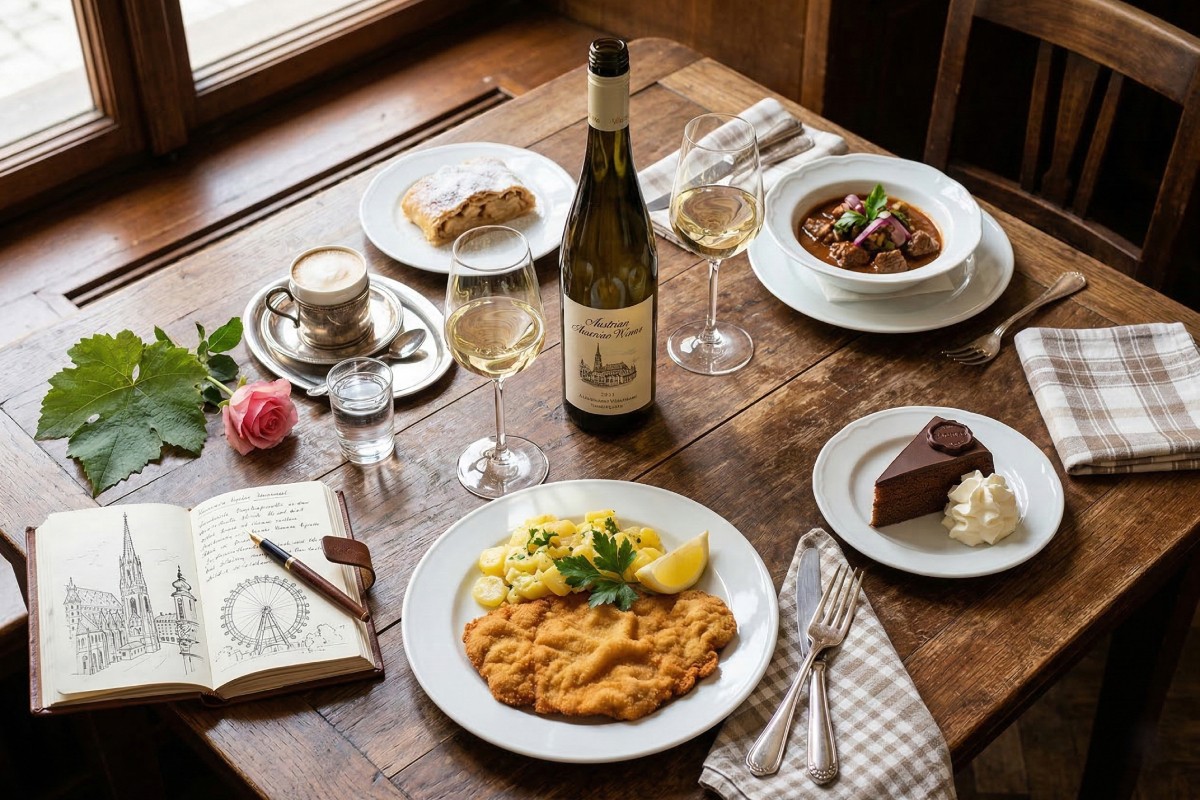
Vienna is a city where history is not just preserved in museums but tasted on the palate. Walking through the winding streets of the Innere Stadt or venturing into the rolling vineyards of the outer districts, one quickly realizes that the Austrian capital is a sensory masterpiece. The culinary landscape here is a fascinating blend of imperial tradition and modern innovation, where the clinking of wine glasses in a rustic tavern is as culturally significant as the hushed reverence of an opera hall. For the gastronomy-focused traveler, Vienna offers a rhythm of life defined by meals, from the first sip of a creamy coffee to the last bite of a savory late-night sausage. This guide is designed to help you navigate the city's exquisite culinary scene, ensuring every meal is a memorable chapter in your travel diary.
The Essence of Viennese Cuisine
To understand the food culture here, one must acknowledge that Vienna was once the melting pot of a vast empire. Influences from Bohemia, Hungary, and Italy have converged over centuries to create what we now recognize as Viennese cuisine. It is the only cuisine in the world named after a city rather than a country, highlighting its unique status. The food is generally hearty, relying on high-quality meats, root vegetables, and sweet, flour-based desserts. However, the modern scene has lightened these classics, focusing on seasonality and regional sourcing. Whether you are seated in a velvet-upholstered booth or on a wooden bench in a garden, the dedication to quality ingredients remains the golden thread connecting every dining experience.
Morning Rituals: The Coffee House Culture
No culinary itinerary in Vienna can begin without paying homage to the UNESCO-listed coffee house culture. These establishments are famously described as places "where time and space are consumed, but only the coffee is found on the bill." It is not merely about caffeine; it is a social institution, a second living room for locals, and a sanctuary for writers and thinkers.
More Than Just Caffeine
Ordering coffee here requires specific vocabulary. Do not simply ask for a coffee; instead, request a Wiener Melange, which is similar to a cappuccino but milder, consisting of one espresso shot served in a large cup with steamed milk and milk foam. For something stronger, the Einspänner—a double espresso topped with a generous dollop of whipped cream served in a glass—is a delightful choice. These are best enjoyed slowly, often accompanied by a newspaper, allowing the atmosphere of the historic surroundings to sink in.
Must-Try Pastries
The coffee ritual is incomplete without a sweet accompaniment. The vitrines of Vienna’s cafes are filled with architectural marvels of sugar and flour. While the famous Sachertorte (a dense chocolate cake with apricot jam) often takes the spotlight, do not overlook the Apfelstrudel. A proper Viennese apple strudel features pastry dough stretched so thin you could read a love letter through it, filled with tart apples, raisins, and cinnamon. Another favorite is the Kaiserschmarrn, a shredded fluffy pancake served with plum compote, often substantial enough to be a meal on its own.
Midday Feasts: Savory Classics
As the day progresses, the focus shifts to the savory powerhouses of Austrian cooking. Lunch is traditionally the main meal of the day, and it is the perfect time to indulge in the heavier dishes that define the region's comfort food reputation.
The Schnitzel Standard
The Wiener Schnitzel is perhaps Austria's most famous culinary export. To be authentic, it must be made of veal, pounded thin, breaded, and fried in clarified butter or lard until it achieves a wavy, golden-brown crust. It should not be greasy but rather crisp and airy. Traditionally, it is served not with french fries, but with a potato salad (Erdäpfelsalat) dressed in a vinegar and oil vinaigrette, sometimes with lamb's lettuce. The contrast between the hot, crunchy meat and the cool, tangy salad is a texture profile that has stood the test of time.
Hearty Soups and Stews
Another midday staple is Tafelspitz, a dish so beloved by Emperor Franz Joseph that he ate it daily. It consists of veal boiled in a vegetable broth, served with minced apples and horseradish (Apfelkren) and a chive sauce. The beauty of this dish lies in its simplicity and the tenderness of the meat. Before the meat is eaten, the rich broth is often served as a soup course, usually with pancake strips (Frittaten) or liver dumplings, warming the soul especially during the cooler months.
A 3-Day Culinary Itinerary
To help you maximize your gastronomic exploration, we have curated a structured plan that balances high-end dining with rustic experiences.
| Day | Breakfast | Lunch | Dinner |
| Day 1: Imperial Classics | Traditional Café in the Innere Stadt. Order a Melange and a Gugelhupf. | Wiener Schnitzel at a historic restaurant near St. Stephen's Cathedral. Consider Figlmüller for a classic experience or Plachutta Wollzeile for Tafelspitz. | Fine dining featuring modern interpretations of Tafelspitz paired with Austrian Pinot Noir. |
| Day 2: Markets & Vineyards | Explore the Naschmarkt. Sample cheeses, falafel, and fresh fruits. | Casual bistro dining at the market or a nearby Gasthaus focusing on Gulasch. Try Restaurant Amacord near Naschmarkt for traditional dishes. | Visit a Heuriger (wine tavern) in Grinzing or Heiligenstadt for a buffet of roast pork and fresh wine. |
| Day 3: Modern Vienna | Third Wave Coffee shop in the 7th District (Neubau) with avocado toast or porridge. | Street food experience: Visit a Würstelstand for a Käsekrainer sausage. | Riverside dining along the Danube Canal or a rooftop bar for cocktails and fusion cuisine. |
The Wine Journey: Exploring Vienna’s Vineyards
Vienna holds a unique distinction as the only capital city in the world with significant wine-growing operations within its city limits. The vineyards are not just for show; they produce serious wines that are integral to the city's identity. A short tram ride from the city center transports you to rolling green hills offering panoramic views of the skyline.
Understanding Gemischter Satz
The star of the Viennese wine scene is the Wiener Gemischter Satz. Unlike a cuvée where finished wines are blended, Gemischter Satz involves growing different grape varieties (at least three) in the same vineyard, harvesting them together, and pressing them together. This field blend results in a wine that is deeply reflective of the terroir—complex, aromatic, and refreshing. It has been awarded DAC status (Districtus Austriae Controllatus), cementing its place as a protected and high-quality regional product.
The Heuriger Tradition
To experience local wine culture, you must visit a Heuriger. These are rustic wine taverns, identified by a bunch of pine branches hung above the entrance to show they are open. Here, the atmosphere is informal and convivial. You drink the "young wine" of the season, often out of mugs or simple glasses, and eat from a buffet of cold cuts, spreads (like Liptauer), and dark breads. It is here that you will find the true soul of Vienna, often accompanied by live Schrammelmusik (traditional folk music).
Perfect Pairings: What to Drink with What
Navigating the wine list can be daunting, but Austrian wines are incredibly food-friendly. Pairing the right glass with your meal elevates the experience from good to extraordinary. Here are some reliable combinations to try during your stay:
- Grüner Veltliner with Wiener Schnitzel: The high acidity and peppery notes of Austria's signature white grape cut through the richness of the fried breading perfectly.
- Blaufränkisch with Gulasch: This spicy, red grape variety has enough tannin and structure to stand up to the paprika and heavy meat flavors of a beef goulash.
- Gemischter Satz with Cold Cuts (Brettljause): The complexity and fresh acidity of this field blend complement the variety of flavors found on a traditional Heuriger platter, from salty ham to spicy horseradish.
- Riesling with Freshwater Fish: Austrian Rieslings are often dry and mineral-driven, making them an excellent match for trout or char from the nearby lakes.
- Dessert Wine (Beerenauslese) with Apfelstrudel: A sweet wine balances the tartness of the apples and harmonizes with the cinnamon spices.
Sweet Endings and Late-Night Bites
As the evening winds down, the culinary adventure does not necessarily have to end. Vienna has a vibrant late-night culture that revolves around the Würstelstand (sausage stand). Located at busy intersections and near transit hubs, these stands are a meeting point for opera-goers in evening gowns and students in denim alike. The order of choice is often a Käsekrainer, a smoked pork sausage filled with small chunks of cheese that melt when grilled. Served with sweet mustard and a slice of dark bread, it is the ultimate savory finish to a night out.
But the Würstelstand isn't the only late-night option. For something a bit different, consider trying a Bosna, a spicy sausage served in a white bread roll with onions and curry powder, or a slice of pizza from one of the many late-night takeaway spots. These offer a taste of Vienna's more modern and diverse culinary scene.
Exploring Vienna through its food and wine is an exercise in indulgence and cultural appreciation. From the refined elegance of the coffee houses to the rustic charm of the wine taverns, the city offers a diverse palette of flavors waiting to be discovered. By following this itinerary and embracing the local customs, you ensure that your visit is not just a sightseeing tour, but a true feast for the senses.