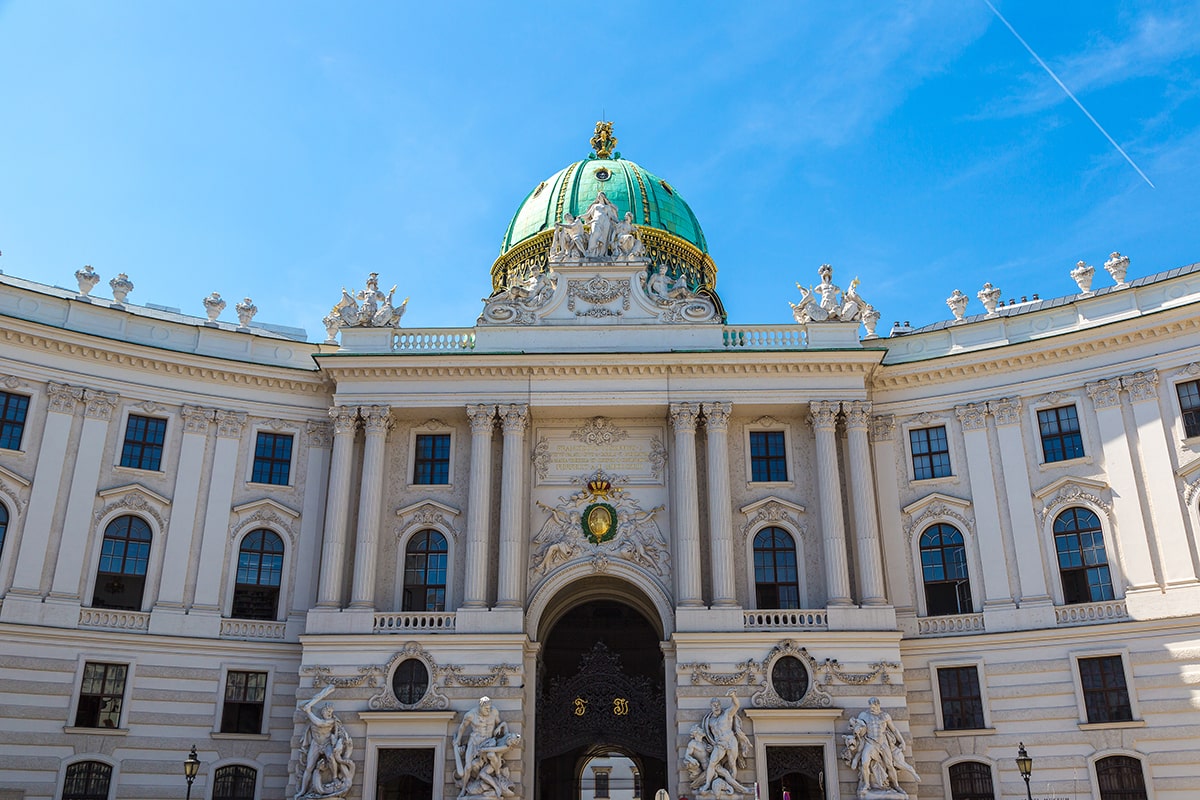
For more than six centuries, the Habsburg dynasty ruled over vast territories stretching across Europe, and their heart of power was the Hofburg Palace in Vienna. Today, this sprawling complex of halls, courtyards, and museums allows visitors to glimpse what life was really like inside one of the world’s most influential royal families.
The Seat of Imperial Power
Originally built in the 13th century, the Hofburg evolved over time into a grand imperial residence that reflected the Habsburgs’ growing prestige. With more than 2,600 rooms, it housed not only the imperial family but also ministers, guards, servants, and advisors who ensured the smooth running of the empire. From here, emperors and empresses governed vast territories that included Austria, Hungary, Bohemia, and many other Central European lands.
A Glimpse Into Daily Life
Life inside the Hofburg was a careful balance of ceremony and strict etiquette. The Imperial Apartments reveal the personal world of Emperor Franz Joseph and Empress Elisabeth (Sisi), whose contrasting personalities still fascinate visitors today. Franz Joseph was known for his disciplined lifestyle, waking at dawn and attending to government matters with precision while Sisi preferred poetry, travel, and solitude.
Each room within the apartments tells a story: the Emperor’s study with its modest furnishings, the Empress’s dressing room adorned with mirrors and perfumes, and the grand audience halls where foreign ambassadors awaited imperial audiences.
The Ceremonial Life of the Habsburgs
The Habsburgs maintained a lifestyle of formality and ritual. Every public appearance was carefully choreographed to project power and divine right. Lavish banquets, coronations, and balls filled the palace calendar, showcasing not only wealth but also loyalty among the empire’s elite. The Red Marble Hall and Great Hall of Ceremonies were stages for political diplomacy and imperial spectacle.
A Palace Still Alive With History
Today, visitors can explore the Imperial Apartments, Sisi Museum, and Silver Collection, each offering a different perspective on the dynasty’s world. These exhibitions combine authentic artifacts with multimedia displays to recreate the rhythm of palace life. You can book your entry directly from our Hofburg Palace tickets page to ensure easy access without waiting in long lines.
Legacy of the Habsburg Empire
Even after the monarchy ended in 1918, the Hofburg remained a symbol of Austria’s identity. Its courtyards and chapels still echo with the sounds of imperial processions and royal ceremonies. The legacy of the Habsburgs endures through the art, culture, and architecture they left behind, reminders of a dynasty that shaped European history for centuries.
Walking through the Hofburg today is more than a palace tour, it’s an encounter with a dynasty that once ruled an empire and defined an era of European power, art, and elegance.