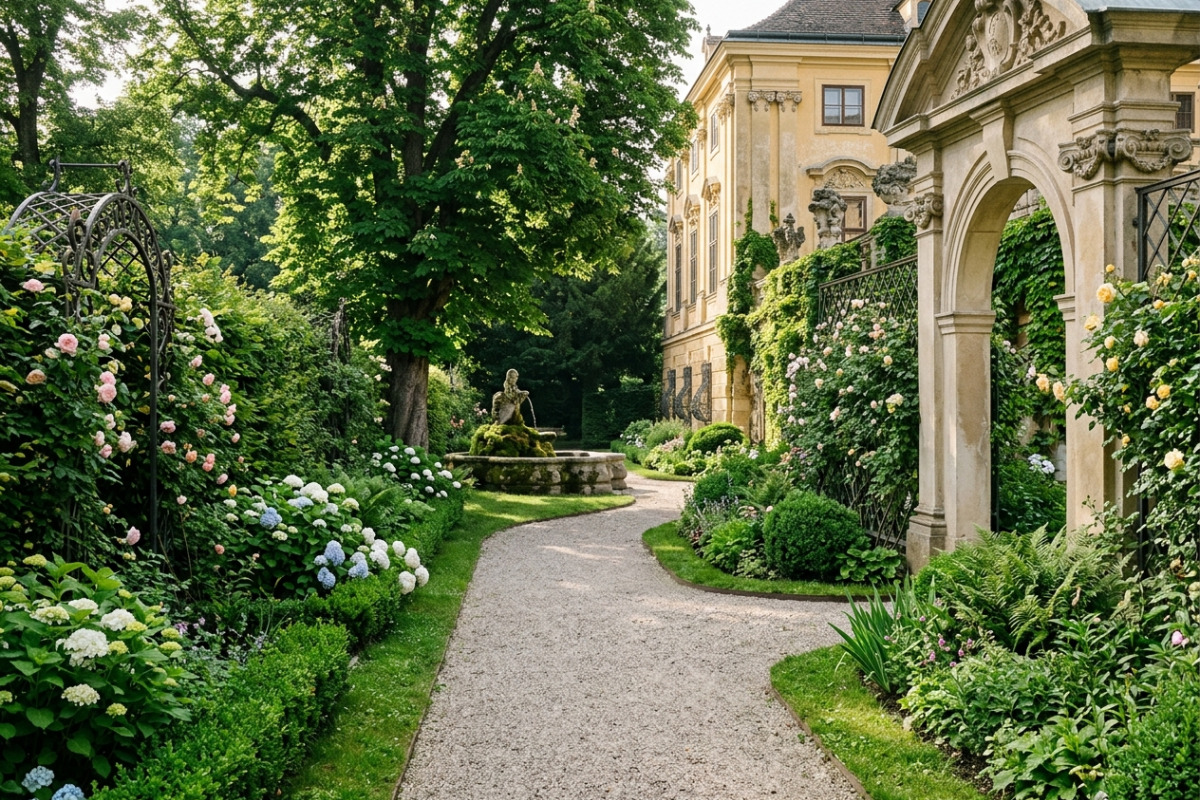
The magnificent palaces of Vienna like Schönbrunn, Hofburg, and Belvedere may look timeless today, but their walls have witnessed centuries of conflict, decline, and rebirth. From sieges and wars to modern-day restoration efforts, these architectural icons stand as living testaments to Vienna’s resilience and cultural pride.
The Turbulent Early Centuries
During the Middle Ages and early modern period, Vienna was both a cultural hub and a strategic battleground. The Ottoman sieges of the 16th and 17th centuries caused significant damage to the city’s defenses and nearby estates, including the grounds where Schönbrunn Palace would later rise. Each reconstruction reflected not only recovery but also ambition to rebuild Vienna stronger and more beautiful than before.
Schönbrunn Palace: Reborn After Fire and War
The original Schönbrunn complex was severely damaged during the 1683 Ottoman siege and rebuilt soon after under Emperor Leopold I. Later, under Empress Maria Theresa in the 18th century, it blossomed into the stunning Baroque residence we see today. Yet even after centuries of glory, Schönbrunn endured hardships including wartime damage during World War II. Postwar restorations carefully revived the palace’s frescoes, stucco work, and gilded interiors, returning it to its former grandeur.
Hofburg Palace: From Imperial Stronghold to Modern Museum
The Hofburg Palace has undergone near-constant evolution for over 700 years. Fires, expansions, and wartime destruction have repeatedly altered its structure. Significant damage occurred during the Allied bombings of 1945, when parts of the Neue Burg and Imperial Stables suffered heavy losses. Painstaking reconstruction throughout the 1950s and 1960s restored the palace to a functional seat of government and culture. Today, it houses Austria’s Presidential Offices and several world-class museums.
Belvedere Palace: Preserving Artistic Heritage
Though less affected by warfare than its counterparts, the Belvedere Palace also faced neglect during turbulent political times. Restorations in the postwar decades focused on preserving the palace’s Baroque identity and safeguarding priceless artworks including Gustav Klimt’s The Kiss. Continuous conservation ensures that visitors today see Belvedere much as Prince Eugene of Savoy intended it: a celebration of beauty and victory.
Vienna’s Commitment to Restoration
Vienna’s dedication to cultural preservation remains unmatched. Each palace restoration project balances authenticity with modern safety and accessibility standards. Experts in art, history, and architecture collaborate to conserve delicate frescoes, restore marble floors, and stabilize centuries-old structures, a process that keeps these monuments alive for future generations.
Visiting the Restored Palaces Today
Visitors can experience the results of these decades of work by exploring the beautifully restored rooms and gardens of Schönbrunn Palace, Hofburg Palace, and Belvedere Palace. Booking your entry directly through our official ticket pages ensures you enjoy seamless access and support the ongoing preservation of Vienna’s royal heritage.
Through centuries of destruction and renewal, Vienna’s palaces have endured as symbols of resilience, artistry, and pride, standing proof that beauty can be rebuilt even after the darkest of times.