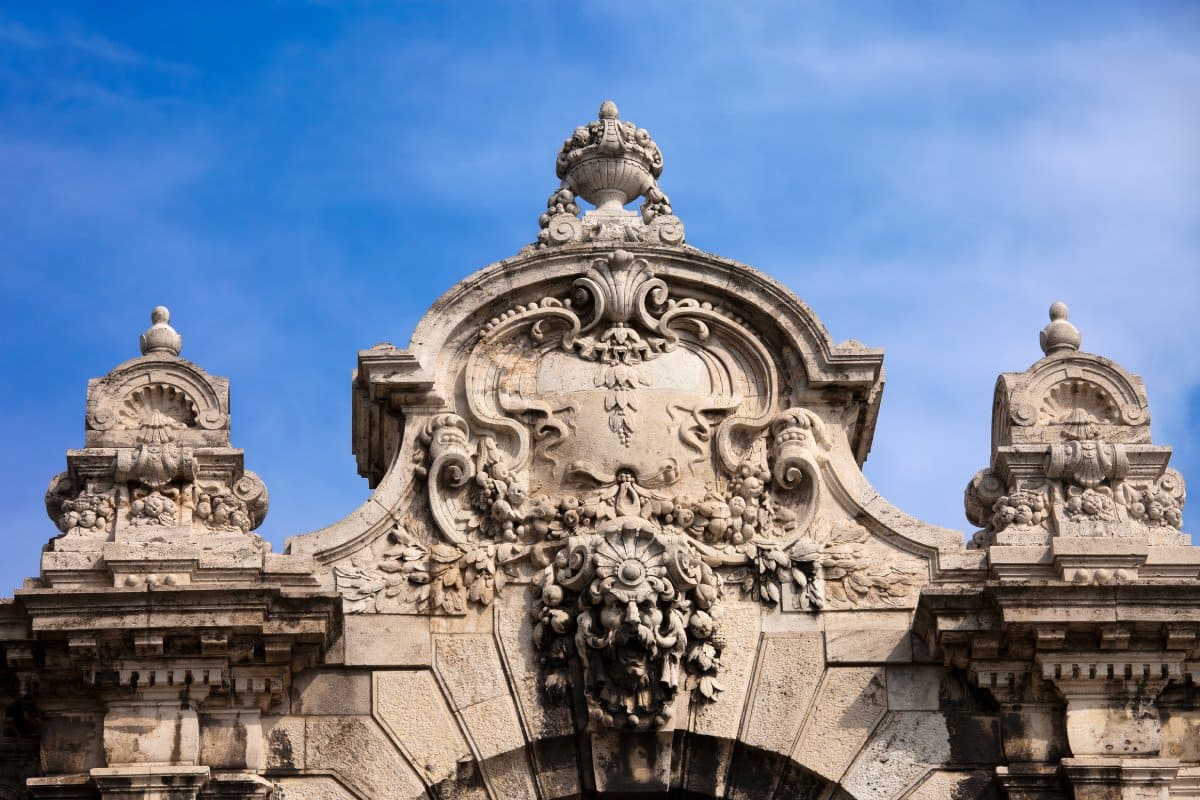
For more than six centuries, the Habsburg dynasty ruled vast territories across Europe and nowhere was their influence more visible than in Vienna. Art was not merely decoration for the Habsburgs; it was a language of authority, faith, and refinement. From the frescoes of Schönbrunn Palace to the masterpieces housed in Belvedere and Hofburg, art became a reflection of imperial ideology and the cultural heartbeat of Vienna itself.
Art as a Symbol of Power
In Habsburg Vienna, art was a political statement. Grand palaces, sculptures, and paintings were commissioned to express divine right and royal supremacy. Portraits of emperors and empresses adorned palace halls, often depicting them with allegorical figures like Justice, Victory, and Faith. These images reinforced the dynasty’s legitimacy and presented rulers not just as monarchs but as chosen guardians of civilization.
Patronage and the Flourishing of Creativity
The Habsburgs were among Europe’s greatest patrons of the arts. Under rulers like Emperor Charles VI and Empress Maria Theresa, Vienna attracted the most talented painters, architects, and musicians of the age. Artists such as Johann Michael Rottmayr, Giuseppe Galli Bibiena, and Paul Troger filled the imperial residences with Baroque grandeur. Their works still decorate the gilded ceilings of Schönbrunn and Hofburg today, blending artistic mastery with political narrative.
Music: The Soul of Imperial Vienna
While visual art conveyed authority, music expressed Vienna’s spirit. Haydn, Mozart, and Beethoven all flourished in Vienna, a city whose cultural environment helped make it the center of European classical music. Court orchestras and palace concerts showcased imperial refinement, and the royal patronage of music helped Vienna earn its reputation as the “City of Music.”
The Enlightenment and the Rise of Public Art
By the 18th century, art began to move beyond palace walls. Empress Maria Theresa and her successors promoted education and culture as a means of national unity. Museums and academies, such as the Academy of Fine Arts Vienna, were established to make art accessible to the public. The idea that art could enlighten society became a cornerstone of Habsburg policy, a bridge between monarchy and modernity.
The Legacy of Habsburg Art Today
The Habsburgs’ artistic legacy endures in every corner of Vienna. Visitors can trace this history by exploring the galleries of the Belvedere Palace, the Hofburg Imperial Apartments, and the Schönbrunn Palace. Each reveals how the Habsburgs used art to celebrate power, beauty, and the divine order of their world.
In Habsburg Vienna, art was more than an adornment it was the empire’s voice. Through architecture, painting, and music, the dynasty immortalized its grandeur and transformed Vienna into the cultural jewel of Europe.